Plan on two to four working days for an ordinary driveway or patio, then roughly a week before cars. In Ascension Parish the sky sets the schedule more often than the crew does.
How long does concrete take to cure?
Concrete is designed around a 28-day cure, and it reaches its rated strength at about that point. Most of the gain comes in the first seven days. Curing means keeping moisture in, not drying the slab out. Under a summer sun we keep the surface from losing water too quickly, with curing compound, wet coverings or plastic.
How long before I can walk on new concrete?
Give it a day, and two is safer in cool or damp weather, before you walk on new concrete. Dogs, bicycles, wheeled bins and patio furniture should wait several more days, because the surface scuffs easily while it is young.
How long before I can drive on new concrete?
About seven days for a passenger car or pickup. Hold off about a month before you drive on new concrete with anything heavy: a loaded trailer, a motorhome, a delivery truck or a dumpster. We give you a date for your slab. In the early weeks, avoid turning the steering wheel while stopped and keep tires away from the edges.
How long does it take to pour a driveway?
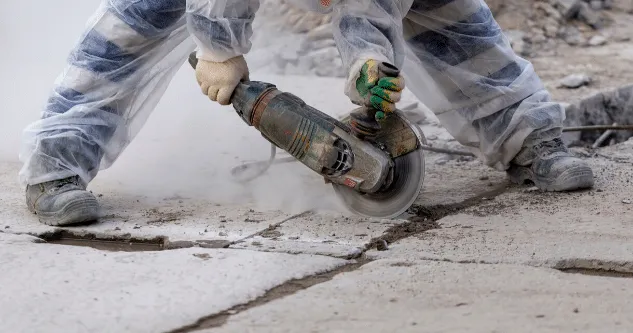
The pour takes a day. Count one to two days ahead of it for breaking out the old slab, building the base and setting forms and steel. Large, stamped or culvert jobs add a day or more. Wet clay adds time too, since a soaked pad has to dry before it can be compacted.
Can concrete be poured in the rain?
A drizzle before the truck arrives is manageable. Concrete should not be poured in the rain when it is steady or heavy, because water on an unset surface weakens it. After the slab has set, rain is harmless. We watch the radar on summer afternoons and reschedule when storms are likely. Nobody should pour onto a base that is under water.
Is it ever too hot to pour concrete here?
It is rarely too hot to pour if the crew adjusts. Heat, sun and wind make the mix stiffen early and the top dry before it can be finished. The answer is a start at daybreak, a wetted base, smaller sections, enough hands and immediate curing. On the worst afternoons of July and August we would move a pour to another morning before we would rush it.
Can concrete be poured in cold or freezing weather?
Cold is seldom a problem in Gonzales. A handful of nights each winter drop to freezing. Young concrete must be kept from freezing for its first day or two, so on those dates we postpone or blanket the slab. Ordinary cool weather only slows the set, and you wait a little longer to use it.
What is the best time of year to pour concrete in south Louisiana?
October through April is the best time of year. Temperatures are moderate, the air is less humid and the ground is easier to work between rains. Summer is busy and perfectly workable with early starts. Hurricane season runs from June through November, and a tropical system can soak the ground for a week, so build some slack into a late-summer schedule.
Can I put salt or deicer on new concrete?
Avoid both, and you will hardly ever want them here. On the rare icy morning, scatter sand for traction. Deicer and rock salt draw moisture into the surface and can scale young concrete. Of more local interest: do not let a water softener or a saltwater pool drain across a slab regularly.
What should I do during the first week?
- Follow our instructions on keeping the slab damp or covered.
- Move sprinkler heads so they do not hit one area over and over.
- Park on the street until the date we give you.
- Keep trailers, dumpsters and pallets of sod off the new slab.
- Wait for the forms to come off before piling soil or mulch against the edge.
- Send us a photo if something looks wrong.
Questions about timing for your job? Call (225) 529-0954.